Current condition
Record the actual bottle and neck/shoulder shape with label artwork, required orientation, intended material and roll direction. Provide a representative acceptable bottle and agree visible placement and appearance limits.
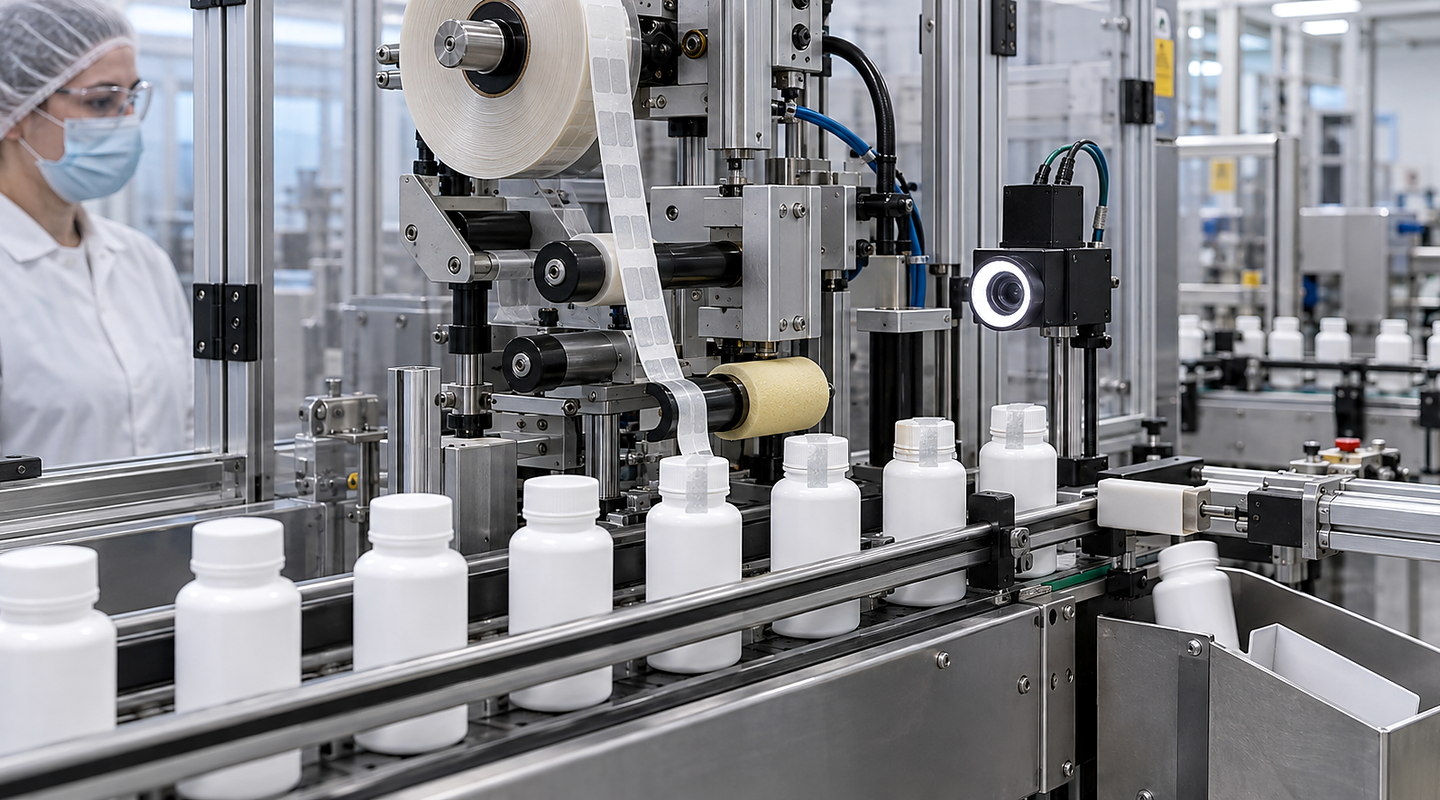
Prepare neck-label trials with bottle taper and shoulder shape, artwork/orientation, production label material and roll direction, format range and placement limits.
Provide representative bottles showing neck taper and shoulder shape, with artwork, required orientation, intended label material and roll direction. Include normal and difficult formats, and agree visible placement limits. Trial presentation and pressing with the actual bottle/label combinations and record wrinkles, skew and finished appearance.
Use the complete operating sequence with the finished-pack checks. Supplier tolerances and bottle or label condition can affect the result. The proposed method needs a representative trial; no universal placement accuracy or output is assumed.
Plan neck labelling around bottle and neck shape, label material and roll direction, required output and finished appearance. Discuss a practical line concept with Lancing using representative bottles and labels. Use this guide to resolve bottle neck shape and label behaviour before it limits the final system.
Discuss your application
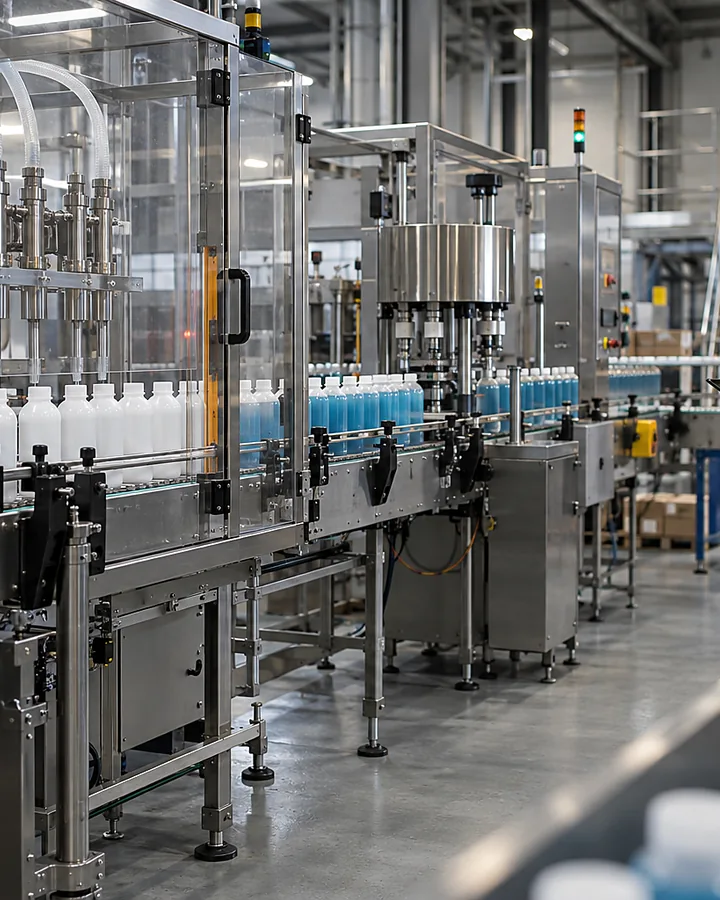
Record the actual bottle and neck/shoulder shape with label artwork, required orientation, intended material and roll direction. Provide a representative acceptable bottle and agree visible placement and appearance limits.
Include the normal and difficult bottle/label formats, supplier tolerances and bottle/label conditions that the trial must cover. State batch sizes, output pattern and format-change frequency, using the production label rolls.
Show how each combination affects bottle presentation, pressing, placement, wrinkles and skew. Agree line interfaces, cleaning/access, changeover settings, finished-pack checks and handling of bottles outside the stated limits.
Compare actual bottles with the intended artwork, neck taper and shoulder shape. Record how presentation and pressing affect the label on each bottle and label combination.
Include the normal formats and difficult shapes, with the production label rolls. Keep bottle, artwork and roll details with the observations so the trial conditions can be repeated.
Use agreed visible placement limits and an acceptable labelled example when reviewing wrinkles, skew and orientation. Record the bottle and label conditions alongside each result.
State the output and batch pattern used for the trial, including infeed, discharge and replenishment conditions. A result from one pattern does not establish another operating range.
Record presentation and pressing settings for each combination, including changes between formats. Check cleaning and operator access as part of the complete trial sequence.
Define which finished-bottle observations are acceptable and how exceptions are recorded and handled. Keep out-of-limit examples with the relevant bottle, label and setting information.